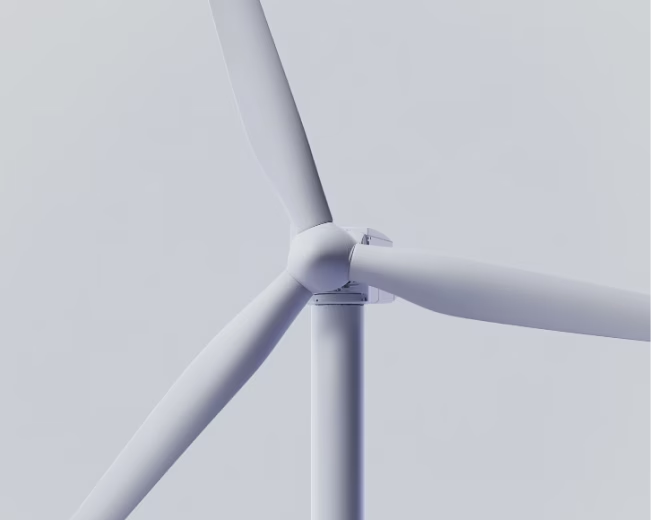
Reimagining Urban Agriculture for Tomorrow





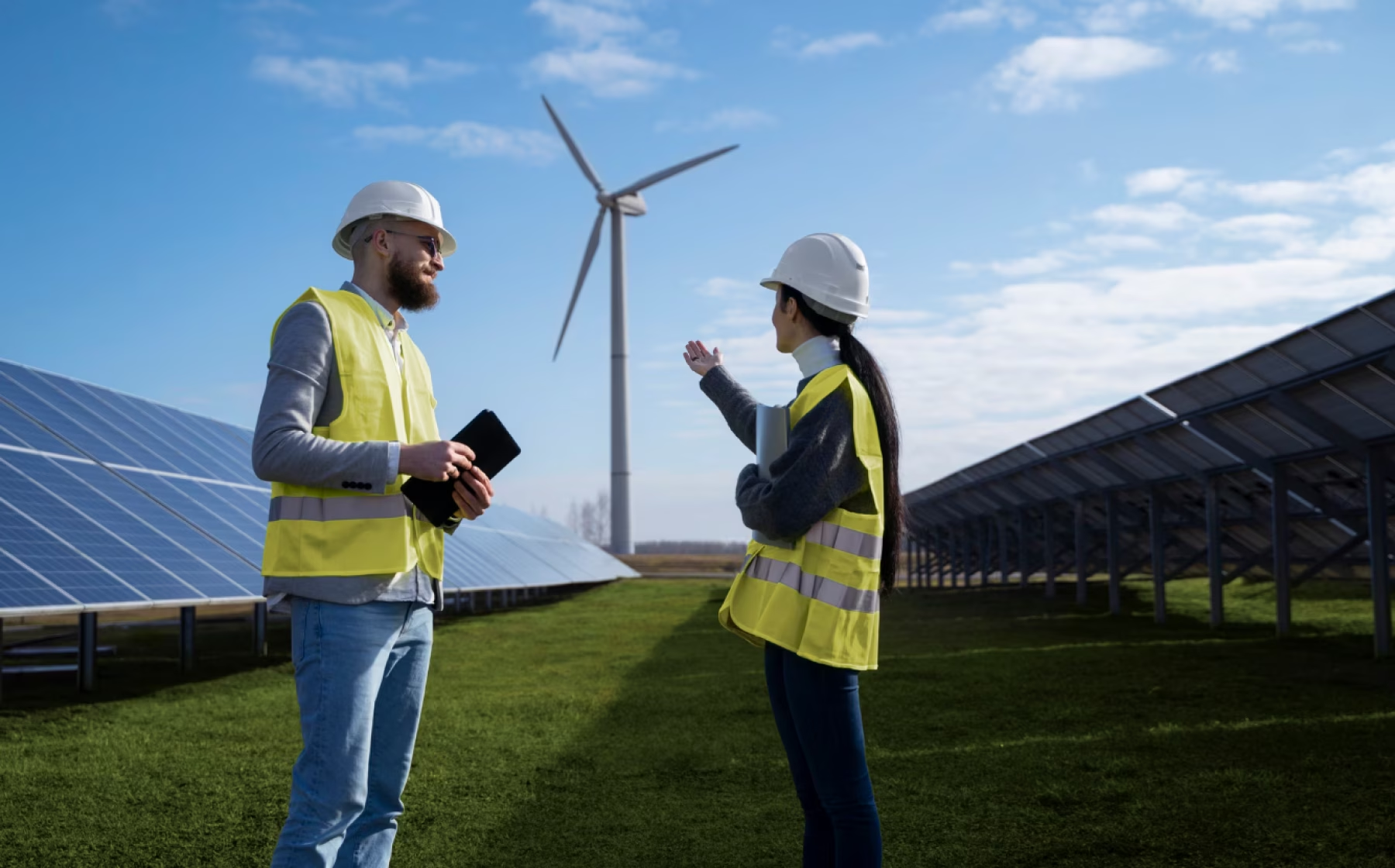
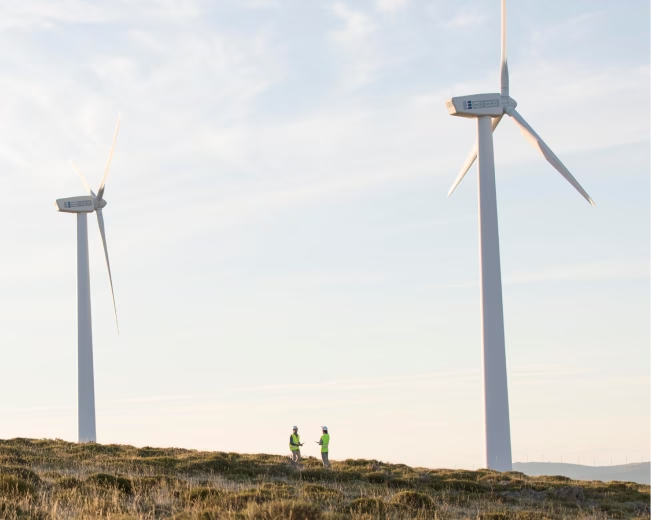
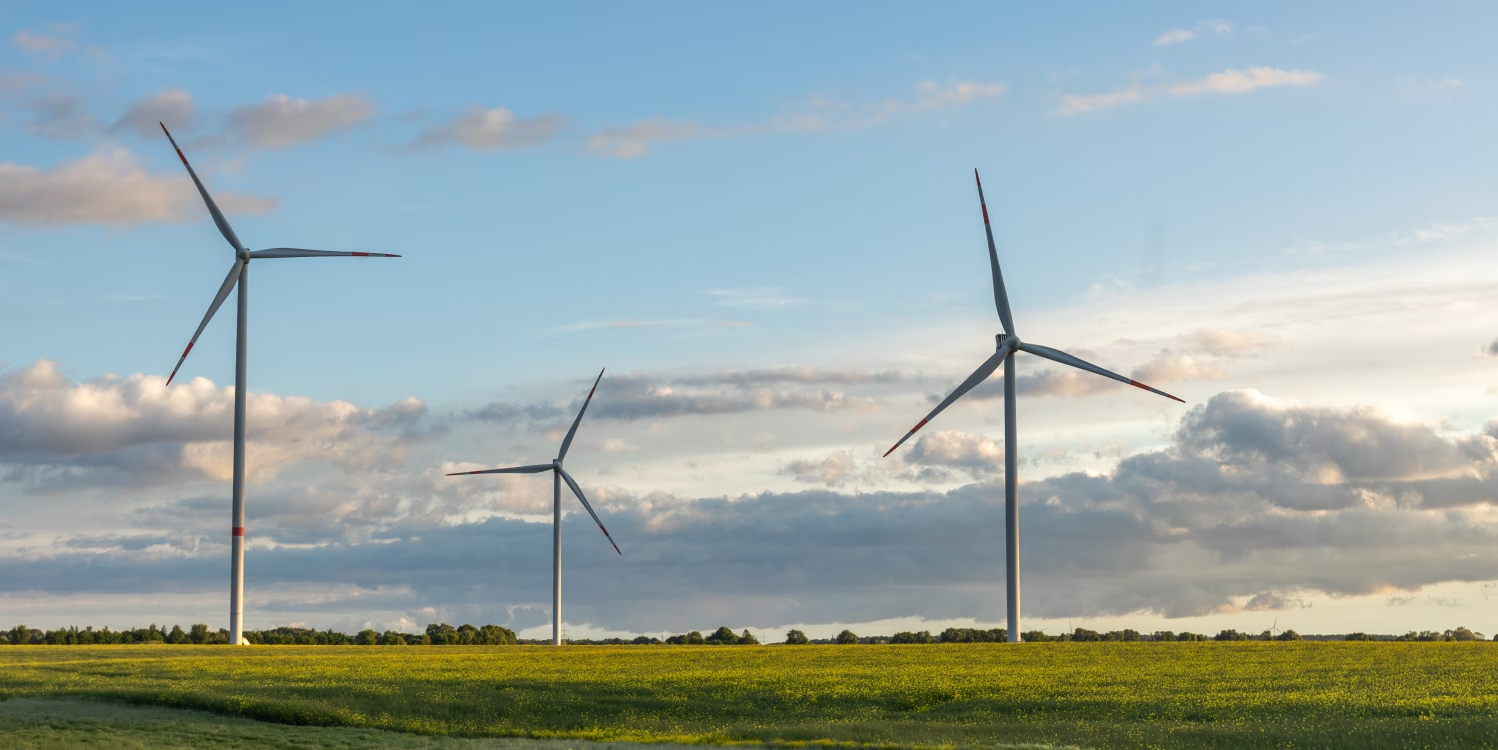
Access to reliable electricity remains one of the biggest challenges in remote areas around the world. While wind and solar energy have both grown rapidly, their intermittent nature often limits consistent power supply. Hybrid wind systems combining both technologies are redefining how rural communities generate and manage their energy needs.
“Clean energy should be reliable, accessible, and built for every scale.”
Elena Ford CEO of WindCorp
In many developing regions, building a national grid to reach remote areas is costly and complex. Weather variability also makes single-source renewables (like solar-only setups) unreliable during cloudy or low-wind periods.
Hybrid systems address this by ensuring that when wind power drops, solar panels compensate — and vice versa. This balance provides near-continuous energy throughout the day and night.
A hybrid wind system integrates wind turbines and solar panels into one cohesive energy solution. Both systems feed power into a shared inverter and battery storage unit, allowing communities to tap into electricity whenever needed
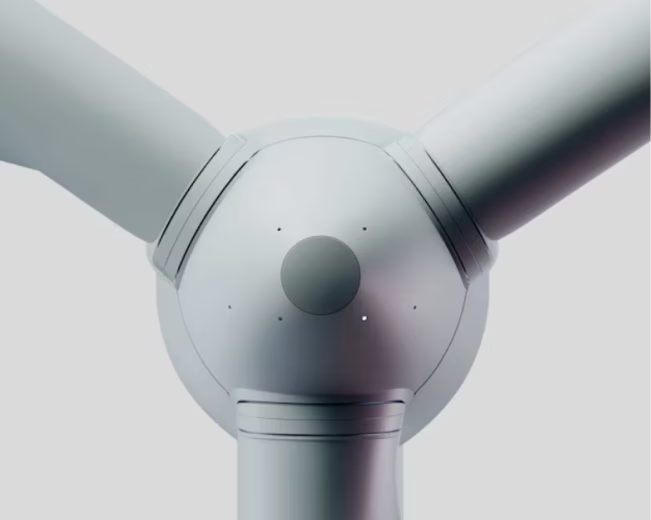
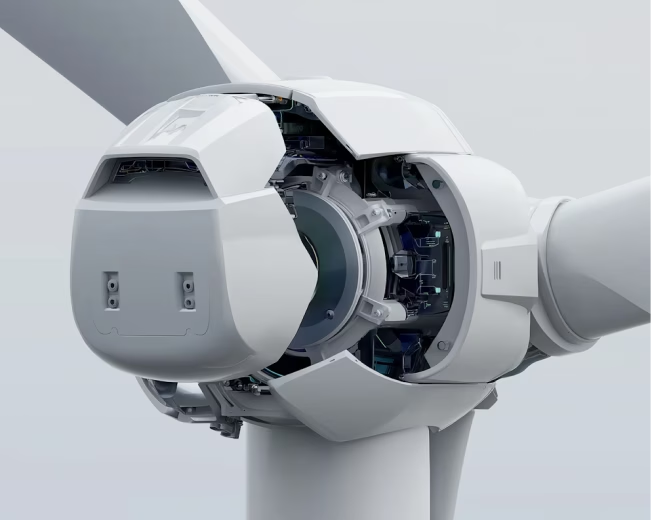
- Wind Turbines
Capture energy during windy conditions. - Solar Panels
Generate electricity during sunny hours. - Smart Controller
Balances input and output, optimizing performance and reducing waste.
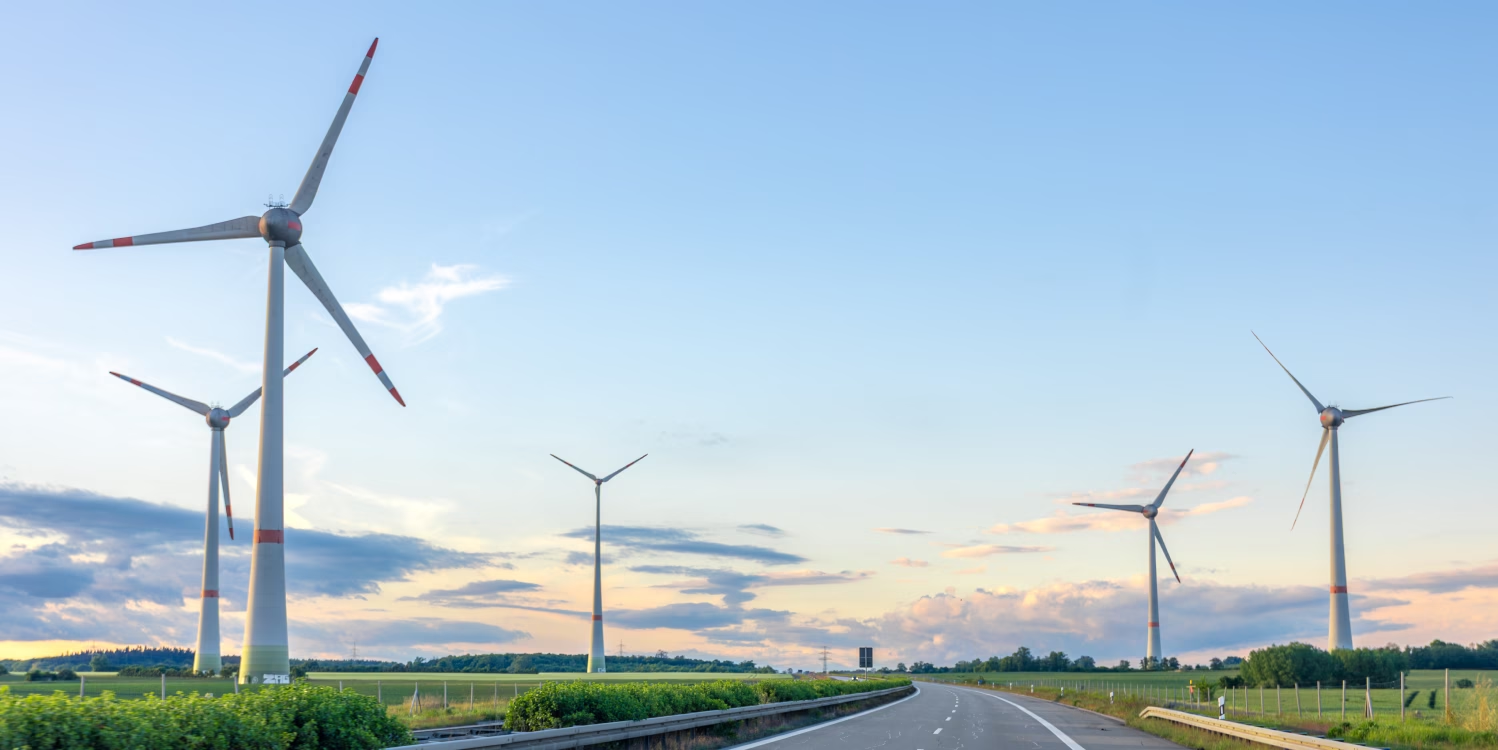
Hybrid energy setups are becoming increasingly popular due to their flexibility and long-term sustainability.
Main advantages include:
- Reliable Power Supply
Continuous energy across changing weather conditions. - Lower Maintenance Costs
Shared infrastructure and fewer moving parts reduce downtime. - Environmental Sustainability
Reduced dependency on fossil fuels and diesel backup generators. - Scalability
Systems can expand easily with community growth.
In 2024, a pilot hybrid wind-solar project was launched in the rural district of Dolakha, Nepal. The system combined three 10kW wind turbines with a 30kW solar array and a 100kWh battery bank.
Results after one year:
- Energy Generated:
280 MWh - Households Powered:
120+ homes - Annual Cost Savings:
$35,000 - CO₂ Reduction:
90 tons per year
A local resident shared:
“Before this project, we relied on kerosene lamps. Now, our children study at night and our shops run on clean energy.”
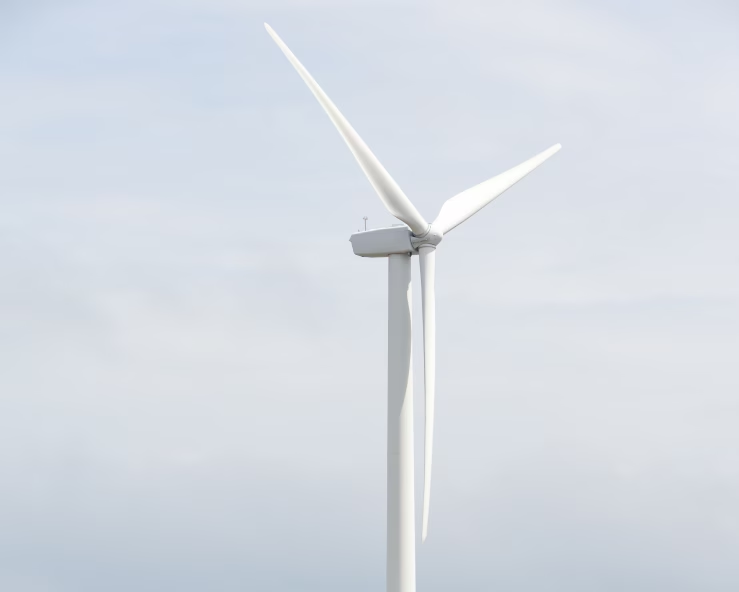
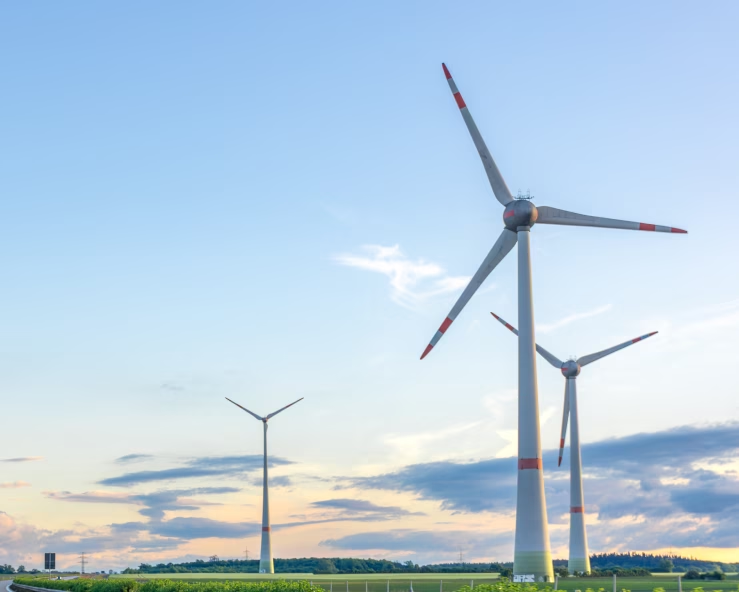
Modern hybrid systems are powered by smart monitoring software that tracks energy generation, consumption, and storage in real-time.
Key technologies include:
- IoT Sensors:
Measure wind speed, solar input, and energy flow. - Predictive Algorithms:
Adjust turbine or panel performance for optimal yield. - Remote Monitoring Dashboards:
Allow technicians to manage systems 24/7 from anywhere.
Beyond power generation, hybrid systems bring deep community benefits:
- Reduced carbon footprint and air pollution.
- Creation of local jobs for installation and maintenance.
- Better healthcare and education access through consistent electricity.
“The hybrid model doesn’t just power homes it powers opportunity.”
As component costs continue to fall, hybrid systems are becoming a mainstream option even for urban microgrids. Governments and private sectors are collaborating to deploy thousands of hybrid setups in Asia and Africa by 2030.
Emerging trends include:
- AI-driven performance optimization
- Modular, portable hybrid kits for disaster relief
- Integration with EV charging infrastructure
Hybrid wind systems mark a new chapter in sustainable energy. By combining nature’s two most abundant forces — wind and sun — these systems deliver stability, scalability, and affordability for communities worldwide.
“The future of clean energy lies not in choosing between wind or solar, but in blending both for maximum impact.”
More Stories to Explore